Planning Your Backyard Homestead Garden
Hey friends, welcome back to The Midnight Mustard Seed! If you’ve been following along, you know I love turning ordinary spaces into places of beauty and purpose—whether that’s throwing pots in my studio or nurturing our little home with handmade goodness. Lately, my mind has been on our backyard, dreaming up ways to grow our own food and create a mini homestead garden.
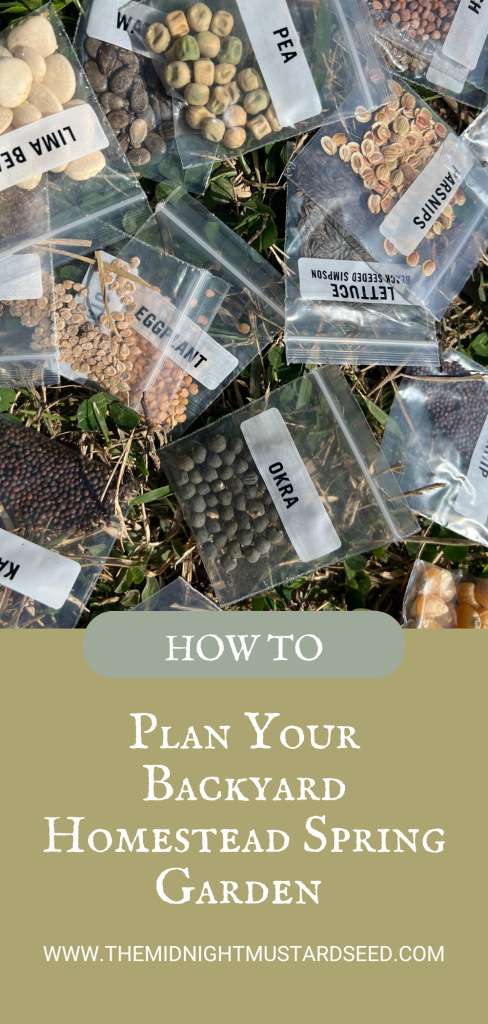
Gardening has been such a joy to experience with my little one. Digging in the dirt, watching little hands sow seeds, and seeing him sneak clusters of berries while we harvest is its own kind of magic. It is such a rewarding practice that teaches patience and hard work. Gardening also gives us something to look forward to each day- checking to see what seeds have sprouted or what is ripe for the picking. Spring is the perfect time to plan, and today I’m sharing how I’m approaching my own backyard homestead spring garden. Whether you’ve got a large garden or just a small space, these steps will give you a great start!
The most important thing when planning your vegetable garden is to start with the basics. You want to set yourself up for success instead of hard work that doesn’t pay off. Late winter and early spring are the ideal seasons to dream or sketch it out—that gives you plenty of time before the gardening season really kicks in.
How to Plan Your Spring Garden
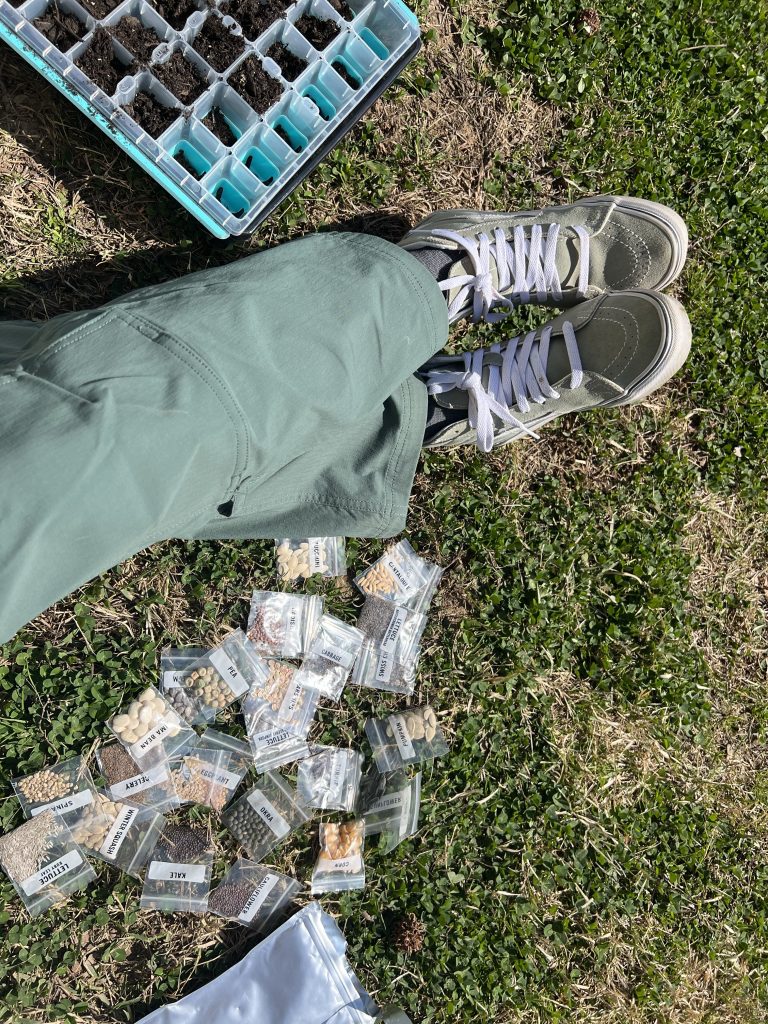
First things first: garden location and growing zone. Check your hardiness zone (just pop your zip code into a quick online search tool) and find your last frost date. That date tells you the best times for spring planting and when it’s safe to direct sow or set out warm-season crops. Always double-check because nothing’s sadder than losing your sweet sprouts to a sneaky late freeze!
Next step: assess your growing space. How much space do you really have? Even a small space can become a great place to grow your own food. Look for full sun spots (most vegetable plants love 6–8 hours), but don’t overlook partial shade for shade-loving plants like leafy greens or certain herbs. If you’ve got a sunny corner, raised beds or garden beds are a good choice—they warm up faster than cold soil in spring and make succession planting a breeze.
If you want to get technical, you can grab graph paper, a garden journal, or just a plain old notebook to map things out. Draw your garden area to scale—square feet matter! Decide on garden beds, maybe some raised beds if drainage is an issue. Think about water source too—rain barrels are a great way to catch water, and having one nearby saves so much hauling. You could also add a compost pile somewhere in the garden area, and mixing in that organic matter can make all the difference in your garden soil.
Creating Garden Layers and Choosing Your Plants
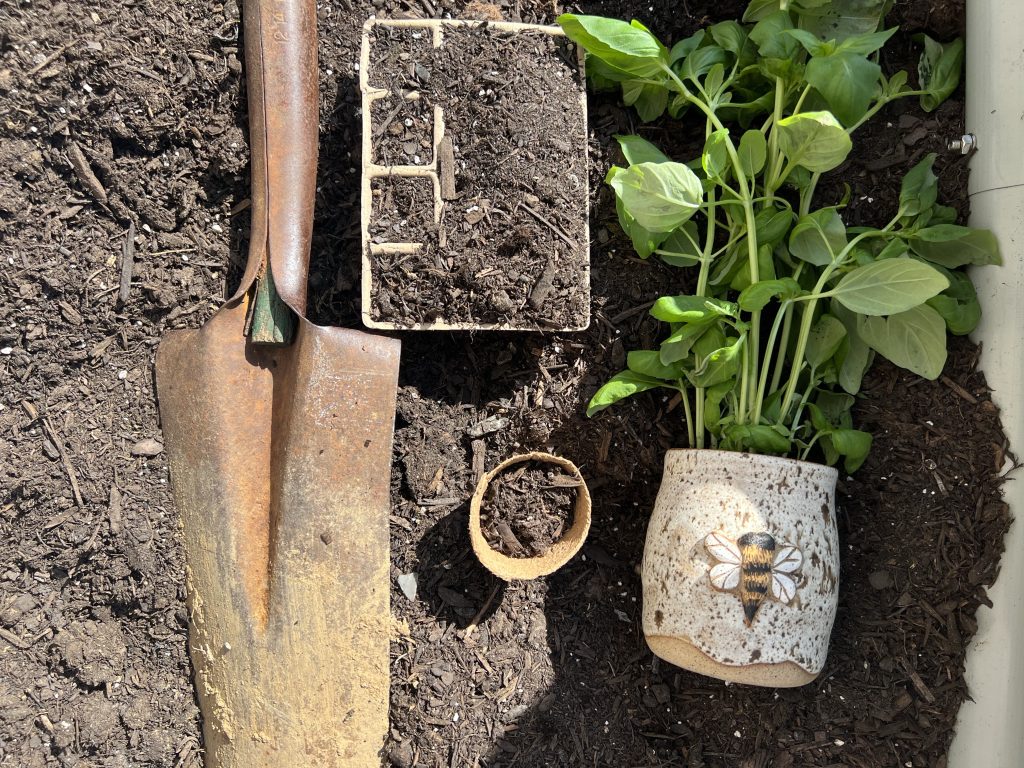
Now for the fun part—deciding what you’re going to plant! Did you know that gardens can have several different layers? This is a great way to maximize space and have a wide variety of crops growing. Here’s the layered setup I’m working toward for our own urban homestead garden:
Canopy layer- large trees making up the most vertical layer.
Peach tree (for fruit and shade)
Subcanopy- smaller or potted trees
Lemon tree, fig tree, any potted fruit trees (great for small space flexibility!)
Shrub layer
Blueberries, blackberries, red currant, raspberries, elderberries, strawberries (hello, strawberry patch!), grapes, perennial herbs
Herbaceous layer- herbs, greens, and soft stemmed veggies
Tomatoes, peppers, lettuce, spinach, broccoli, garlic, onions, basil, cilantro, oregano, mint
Ground cover- Low growing plants that spread
Phlox, chamomile, yarrow, sweet potato (sweet potatoes are a good choice for long growing season coverage!)
Rhizosphere (deep rooted plants for soil fertility)
Lupine, comfrey, sweet pest-repelling borage
Climbing plants- plants that vine
Grapes, kiwi, cucumbers, loofah, squash, melons
This setup uses companion planting to keep pests away naturally, builds soil with those deep-rooted plants, and maximizes every square foot. Taller plants go in the back, shorter ones up front—vining plants like snap peas and green beans climb up trellises, root vegetables tuck underneath. It’s a great way to grow so much in not much space!
Additional Garden Tips
For your first garden or first year, keep it simple. Start with easy plans: leafy greens, snap peas, and herbs in early spring, then move to warm-weather crops like tomatoes and peppers after the last frost. Succession planting is a game-changer—sow more every couple of weeks so you’ve got fresh harvests all season. Heirloom seeds from seed catalogs or seed packets are my favorite and often do better in home gardens (at least from my experience).
Crop rotation is key for the following year—don’t plant the same family in the same spot to avoid tired soil and pests. Record keeping in your garden journal helps track what worked last year and plan better next year.
A few best tips to make it easier:
• Add compost and organic matter now while the soil is cool.
• Plan for fruit trees like an apple tree or fig tree—they take time but are so rewarding.
• Direct sow cool-season crops like peas and greens as soon as the soil can be worked.
Whether this is your new garden or you’re building on last year, the key is starting where you are. Do a little research, sketch and plan, and trust the process. It’s hard work, yes, but the good things that come from it—fresh food on the table, time outside with littles, that quiet joy of watching seeds sprout—are worth every bit.
Grab those seed packets, mark your calendar for the right time, and let’s make good things grow this spring. Here’s to a beautiful homestead garden season! 🌱
With love and dirt under my nails (per usual),
Samm