What is Bisque or Bisqueware in Pottery and Ceramics?

There is so much to take in when it comes to pottery and ceramics. From glaze chemistry to how to throw on the wheel, there is always something to learn or improve upon. Two of the most important things to really spend time learning are the stages of clay and the firing process. With so many changes that occur in and out of an electric kiln, things can easily get confusing.
If you’ve ever taken a pottery class or glazed a ceramic piece of art, chances are you’ve probably heard the term “ceramic bisque”. This is an important term to familiarize yourself with in order to successfully make a long lasting piece of pottery. This guide will breakdown what a bisque fire is and why it matters to your pots!
Stages of Clay in the Pottery Process
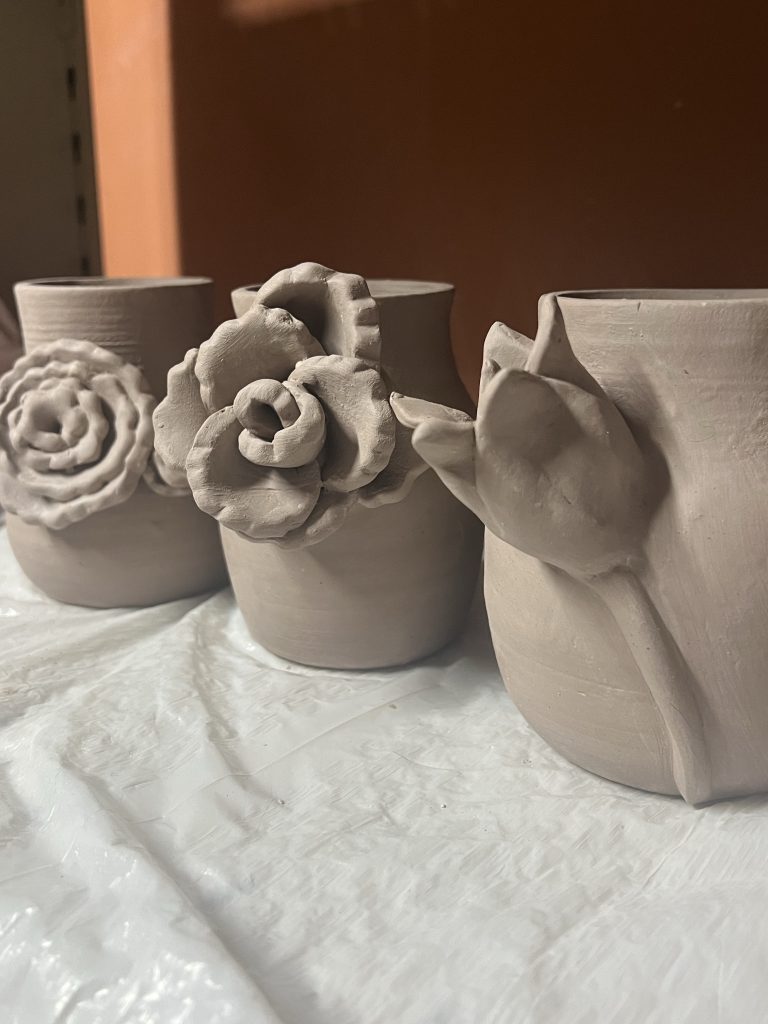
Before diving into what bisque firing pottery is, it is a good idea to know the stages of clay. The different stages of clay go hand in hand with the topics of bisque ware and kiln firing your pots. So, stick with me!
There are seven stages of clay in the ceramic process. When you find raw clay in nature, it can either be dried like dirt or wet. Raw clay that is dried can be mixed with water to form very runny clay slip or slurry. This stage of clay is too wet to make anything with.
In order for clay to become workable, it needs to be in the plastic state. When you think of working with a hunk of clay, whether it is hand building or throwing on the potter’s wheel, that clay is in its most malleable state. Once you mold something with your wet, yet plastic clay, it will need to begin drying out.
When clay is drying but not completely dry, it is in the leather hard stage. You should never put a leather hard piece of pottery in the electric kiln. When pieces have had plenty of time to dry out fully they will feel very brittle. This stage is called bone dry. Bone dry pots are safe to put into your kiln for the first firing or bisque stage!
When you put your pottery in the first firing, it will come out in the bisque stage. Bisque ceramics are hard in this intermediate stage, but still porous enough to accept glaze. Finally, you will glaze your ceramic ware and put them in the glaze firing for their final state at a higher temperature to reach the last stage of pottery clay- glaze ware.
It is very important to know the stages of drying. If you don’t pay attention to the dryness of your pottery, you may fire a pot that is still damp which will cause the entire piece to explode (yes, explode) in the kiln! No one wants their work to blow up during the firing process.
How do you Fire Bone Dry Pottery into Bisque Ware
Now that we know the seven stages of clay, let’s discuss the bisque firing process. When you take your bone dry clay and place it in your electric kiln for the first firing, this is called the bisque firing. Bisque firings happen at a much lower temperature than a glaze firing. The purpose of a bisque firing is to strengthen and harden the clay enough that it is not brittle in your hands. This firing solidifies the clay but does not make it too vitrified or sealed that it cannot accept ceramic glazes.
Bisque firing generally speaking is not a complicated process. Simply make sure that your pottery is completely bone dry (remember- kiln explosions are no fun). You’ll need to load your pottery into your electric kiln and set your kiln to the correct bisque temperature. As we talked about before, bisque firings happen at much lower temperatures than glaze firings. The exact bisque temperature will depend on the type of clay body you are using. Common temperatures for bisque firings are usually come 04 or 06.
Bisque firings in an electric kiln can take anywhere from four to twelve hours. It all depends on the speed, or firing ramp, that you fire your unfired clay as well as what cone temperature your kiln is programmed to reach. A final firing will take longer to complete since it is heating to a much higher temperature.
If you don’t have access to a potter’s wheel or are just interested in painting or glazing pottery, there is good news! You can actually purchase already bisqued pieces. Your local ceramic shop sells many basic bisque pottery forms that are ready to glaze. When you go to a paint your own pottery shop, bisque ware is what they have you decorate! They usually fire your decorated/glazed bisque pottery for you when you finish. Of course, you can create your own bisque pieces by sculpting your own pot or art piece and then firing it using the process above.
Why is biqsue firing pottery important?
We know the basic steps of how to bisque fire pottery as well as what the seven stages of clay are. This information will help you become a more knowledgeable and successful potter, sure, but why is it so important we bisque fire our pots?! Bisqueware, also called biscuit ware, plays a crucial role in order to successfully create lasting, glazed pottery.
The biscuit stage is important for a few reasons. In this stage, clay is solidified from its very brittle state. If we try to glaze extremely fragile, bone dry clay, chances are that our clay pieces are going to be broken or damaged in some way. Bone dry clay pots may be dry but can also be very easily turned back into wet clay from the water content in ceramic glazes. You’ll simply end up with a sloppy wet mess as the dry clay turns back into slip! When clay is bisque fired, it cannot be broken back down into wet clay. It has been solidified and strengthened in that initial firing.
Bisque firing pottery is also important because it helps us tremendously in the glazing phase! It gets all remaining chemically bonded water molecules out of the clay body. Biscuit ware is incredibly porous. These open pores in the clay surface easily soak up glaze and help achieve an even application of glazes. Pottery that has been glazed or fired a second time has been vitrified. This means that the pores are closed and sealed. Vitrified pots cannot accept glaze as easily, if at all. So, if you are trying to glaze a piece of pottery, you want it in this lovely bisque phase!
How to Identify Bisque Pottery
It is very important to know what stage of clay your pottery is in. There are a few simple ways to determine if your clay is bone dry, biscuit ware, or glaze ware. The most obvious way to tell if pottery is glaze ware is that it has glaze on it! Detecting whether your pottery is green ware (unfired) or bisque can be a bit trickier.
Bisque will usually be a different color. White clay usually turns from a gray to a brighter white in the kiln while brown or tan clays will look pinkish as biqsue ware. Another way to tell the stage is by the sound the pot makes when you gently thump it. Unfired pots will sound dull while bisqued pots will ring a little bit or make a bright plinking sound. You can also tell by how durable it feels in your hands.
The ceramic bisque stage is important and knowing why doesn’t have to be confusing! Simply put, bisque firings help to make our pots more stable, stronger, and more accepting of ceramic glazes. It can also be easily created in your own home studio or purchased from a ceramic supply shop or your local pottery workshop. I hope this guide helps you on your pottery journey! Take baby steps and learn all that you can about each stage of clay. It really pays off in your work to know your clay well!
Blessings,
Samm